How Social Media Shapes Community News Habits
In recent years, the rise of social media has significantly altered the landscape of community media consumption. This article explores how platforms like Facebook and Twitter influence local news habits and the implications for public interest media.
The Shift in Media Consumption
According to research conducted by the Reuters Institute, many communities now turn to social media for local news instead of traditional media outlets. This change is indicative of a broader trend in media consumption behavior, where digital platforms become primary sources of information.
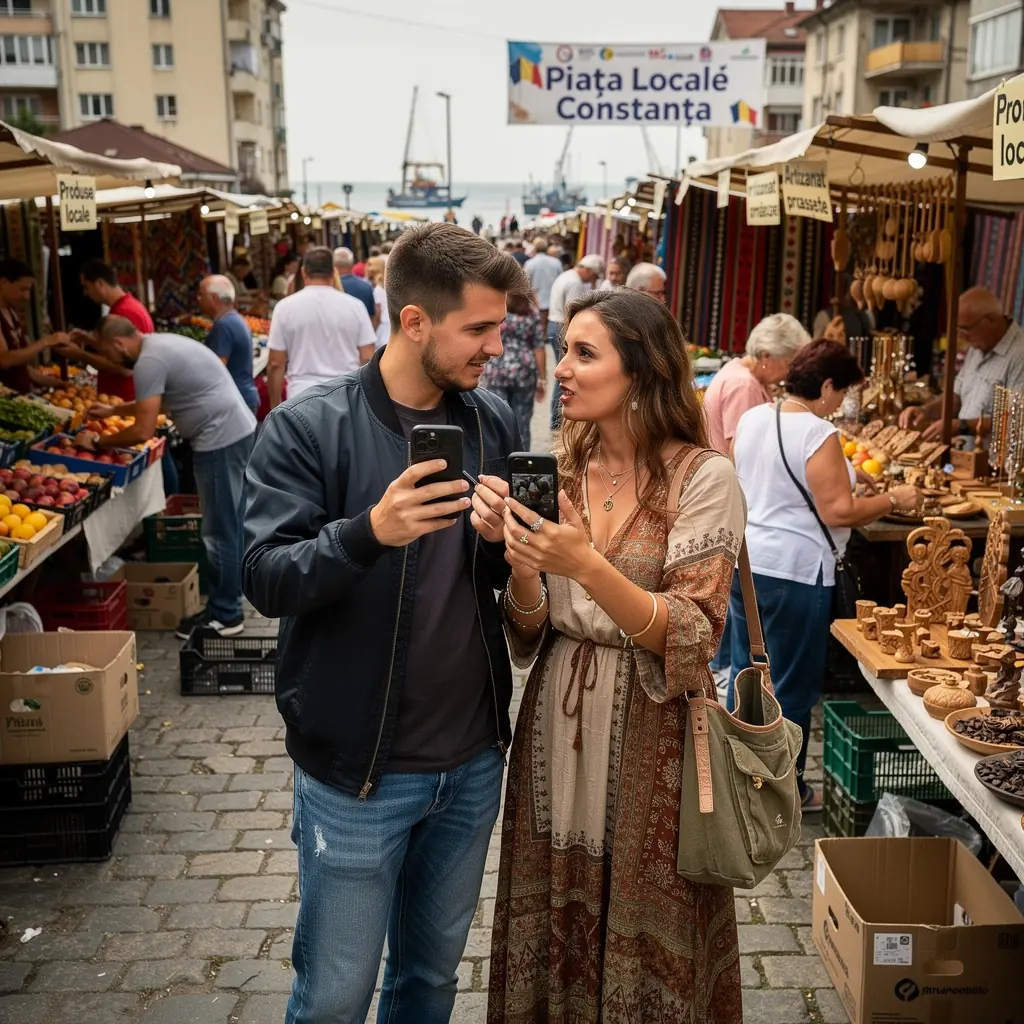
"Social media has transformed how communities engage with local news, making it more accessible and immediate." - Media Studies Expert
Understanding Media Trends
The impact of digital media on community news habits can be understood through several key factors:
- Accessibility: Social media platforms allow users to access news at their convenience, breaking down geographical barriers that once limited local content consumption.
- Engagement: Community engagement in media has increased, as users can interact directly with news content, share stories, and provide feedback, creating a dialogue between media producers and consumers.
- Representation: Social media gives a voice to grassroots movements, allowing diverse community voices to emerge in local journalism, which may have been overlooked by traditional media.
The Role of Digital Storytelling
Digital storytelling has become a crucial aspect of community-focused news. Platforms like Instagram and TikTok enable local journalists and citizen journalists to share stories in engaging ways. This shift can foster greater connection within communities and highlight issues that matter to local audiences.
Community Radio Evolution
Community radio has also evolved with the advent of social media, as stations utilize platforms to promote their content and engage audiences. This evolution exemplifies how local journalism adapts to meet changing consumption patterns.
Challenges and Considerations
While the changes in media consumption present opportunities, there are challenges as well:
- Media Literacy: As local content becomes more prevalent on social media, the need for media literacy increases. Communities must develop skills to critically evaluate the information being consumed.
- Ethical Journalism Practices: The rise of citizen journalism brings ethical considerations about accuracy and representation. Ensuring that community voices are presented responsibly is vital.
- Local Journalism Challenges: Traditional local news outlets face challenges in adapting to this new landscape, often struggling to compete with the immediacy and accessibility of social media.
Conclusion
Social media is reshaping community news habits, providing new avenues for engagement and representation. As communities navigate these changes, it is essential to prioritize media literacy and ethical journalism practices for a more informed public. By fostering a culture of critical media consumption, we can enhance local news relevance and strengthen the role of media in society.