Changes in Media Consumption Patterns in Romania
The landscape of media consumption in Romania has seen significant shifts in recent years, driven by technological advancements and changing user preferences. Understanding these changes is crucial for grasping the evolving role of public interest media and community engagement in journalism.
Understanding the Basics
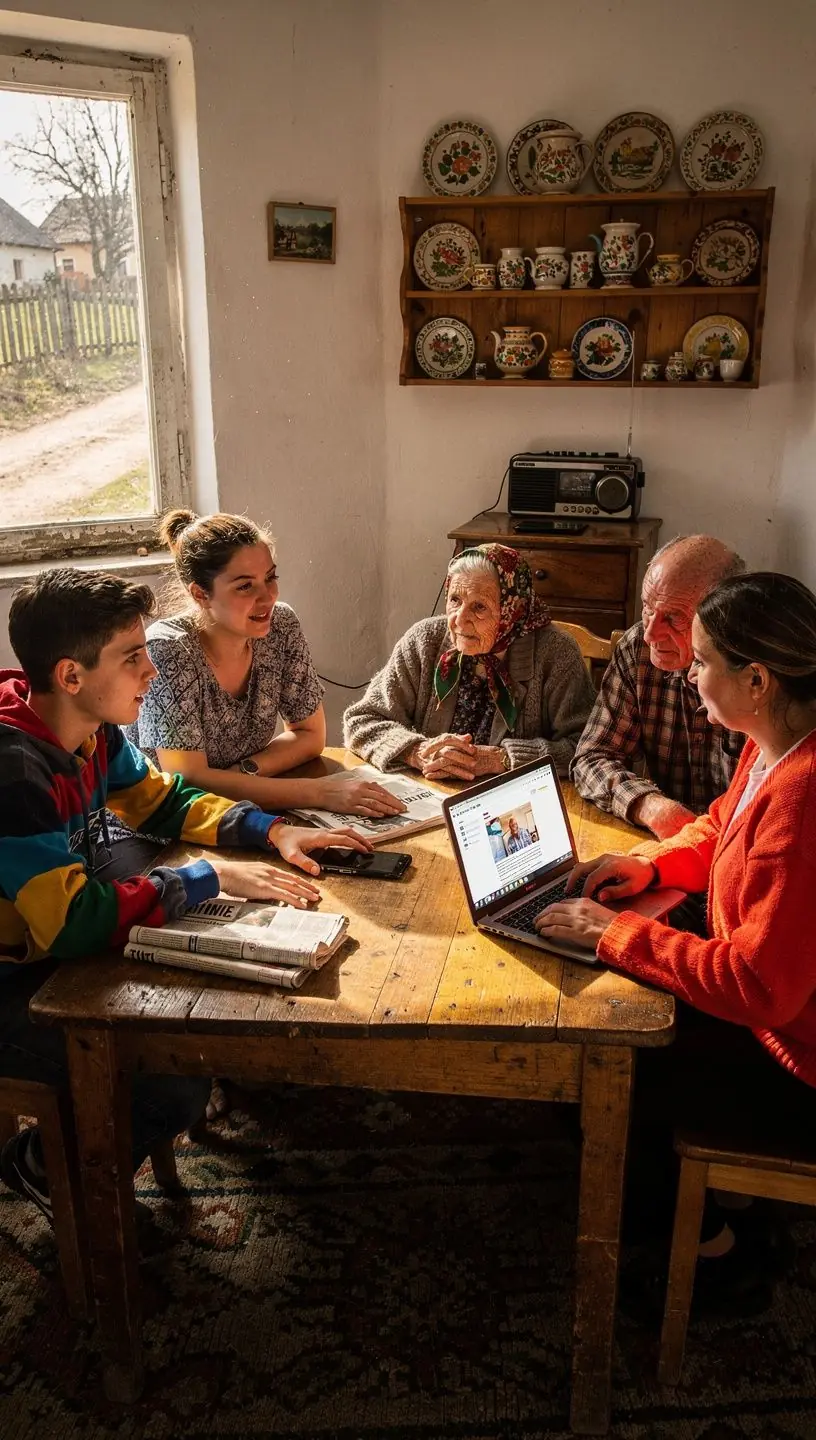
Media consumption patterns in Romania have transformed primarily due to the rise of digital media platforms. Research indicates that many Romanians now prefer online news sources and social media for their daily news intake, a trend observed across various demographic segments. According to a study by the National Institute of Statistics, approximately 63% of the population accesses news through online channels, illustrating a marked decrease in traditional print media consumption.
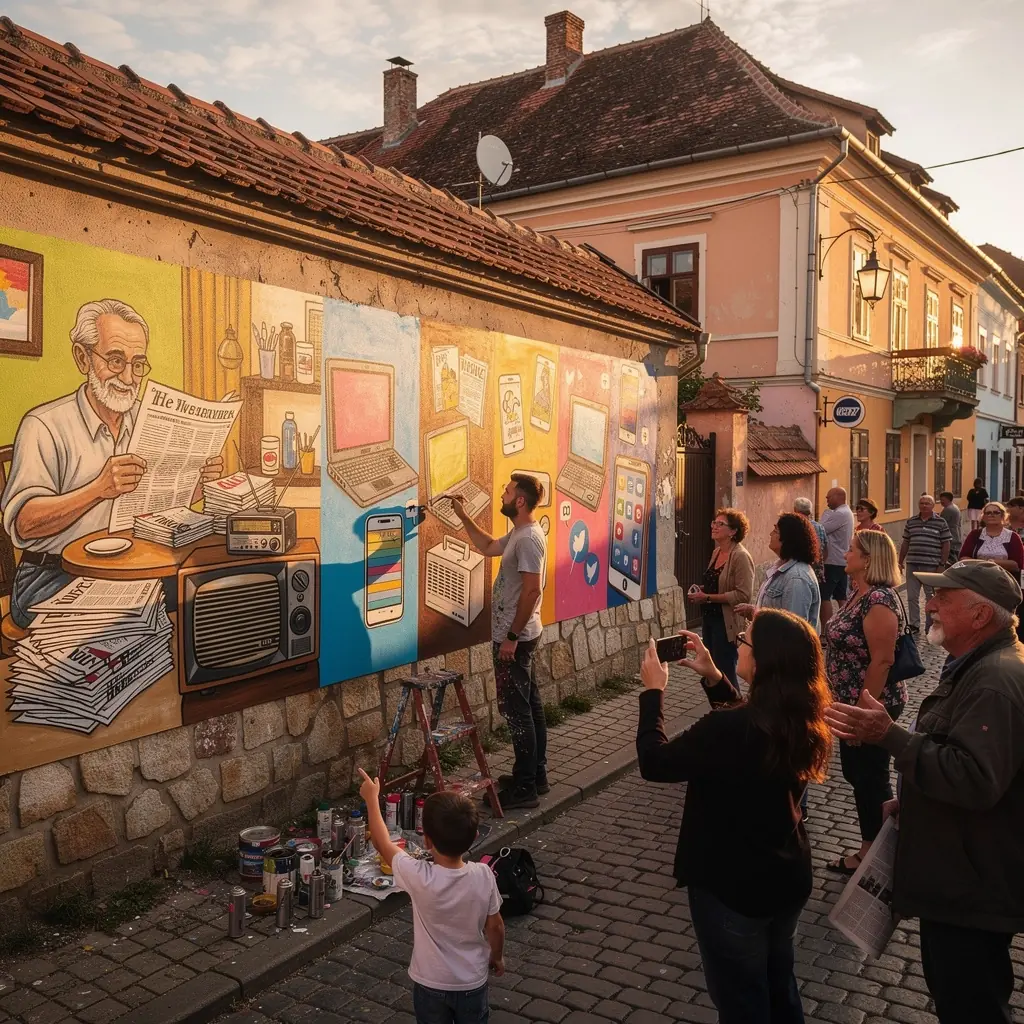
"The shift towards digital media is not just a trend; it reflects a broader change in how communities engage with news and information."
The Impact of Digital Media
The influence of digital media on community news consumption is profound. The accessibility of information has empowered citizens and allowed for greater participation in the media landscape. Community-driven media initiatives have gained traction, offering local content that resonates with residents. For instance, community radio stations in Romania are evolving to include podcasts and online streaming to reach a broader audience.
Key Trends in Media Consumption
- Increased Use of Social Media: Platforms like Facebook and Twitter serve as popular news delivery channels, allowing users to share and discuss news stories, contributing to audience engagement strategies.
- Local News Relevance: There is a growing demand for local journalism that addresses community-specific issues. Research shows that audiences are more likely to engage with news that reflects their experiences and challenges.
- Media Literacy: As media consumption habits shift, there is a pressing need for media literacy education among the public. Understanding how to critically evaluate news sources is essential in combating misinformation.
Challenges and Opportunities
Although the changes in media consumption present opportunities for community-focused news outlets, they also pose challenges. Local journalism often struggles with funding and resources, making it difficult to compete with larger media organizations. Furthermore, the rapid evolution of new media platforms requires constant adaptation from journalists and media organizations.
Conclusion
In summary, the changes in media consumption patterns in Romania highlight the need for public interest journalism that prioritizes ethical practices and community representation. By fostering media literacy and focusing on local content creation, communities can engage more effectively with their media landscape. As Romanian media continues to evolve, it is crucial for both consumers and producers to adapt and embrace these changes thoughtfully.