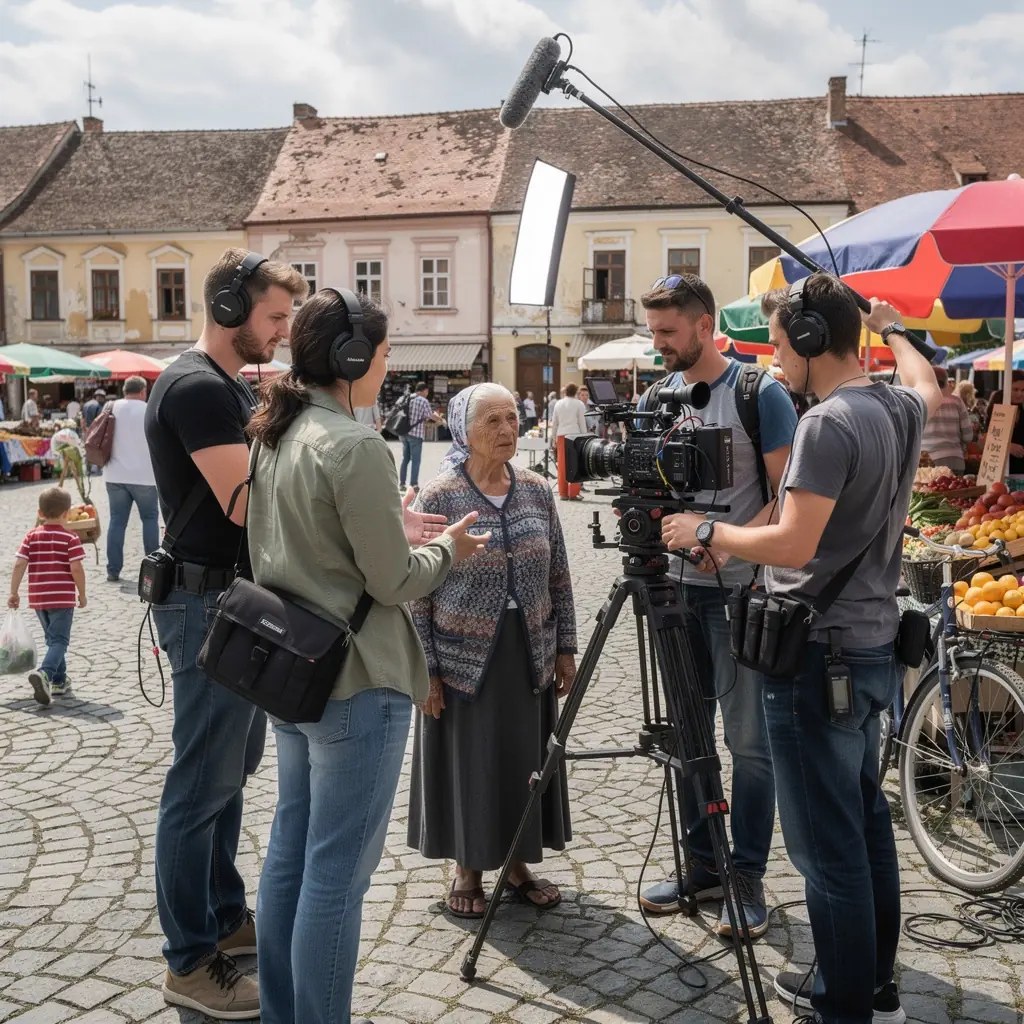
Media Accessibility: Reaching Diverse Audiences
In today's fast-evolving media landscape, accessibility has become a crucial element in ensuring that community media effectively engages diverse audiences. This article explores how public interest media can adapt to the changing habits of local news consumption, particularly in Romania.
Understanding Media Accessibility
Media accessibility refers to the efforts made to ensure that all individuals, regardless of their background or abilities, can access and engage with media content. According to research, communities that prioritize media accessibility often see greater engagement and more robust participation in local news initiatives. This is particularly relevant as digital media continues to evolve.

"Accessibility in media is not just about providing information; it's about ensuring that every voice can be heard." – Media Studies Expert
The Changing Media Landscape
The impact of digital media has reshaped how communities consume news. In Romania, studies indicate a shift towards online platforms, leading to a decline in traditional local journalism. This shift necessitates new strategies for community engagement in media. For example, community radio stations have evolved to include online streaming, making them more accessible to younger audiences who prefer digital content.
Community Engagement Strategies
- Utilizing Social Media: Platforms like Facebook and Instagram can help local news organizations reach diverse demographics effectively.
- Hosting Community Events: Engaging local citizens through events fosters connection and encourages participation in news creation.
- Promoting Citizen Journalism: Encouraging community members to contribute content can enhance representation and inclusivity in local narratives.
Challenges in Local Journalism
Despite the potential for increased accessibility, local journalism in Romania faces several challenges. Many outlets struggle with limited resources, which can hinder their ability to reach all segments of the community. Moreover, experts recommend that media organizations implement training programs focused on media literacy for everyone, ensuring that community members understand how to critically engage with content.
Moving Towards Inclusive Media Practices
Implementing inclusive media practices is essential for fostering a sense of belonging within communities. This can involve:
- Creating content that represents various voices and perspectives.
- Adapting delivery methods to suit different audience preferences, such as using podcasts for those who prefer audio content.
- Establishing feedback loops that allow audiences to express their needs and preferences, thereby informing future content creation.
Conclusion
As media consumption continues to evolve, ensuring accessibility in community media is vital. By understanding media trends and implementing inclusive practices, local journalism can thrive and remain relevant. It is crucial to recognize that the responsibility for media accessibility lies not only with content creators but also with the communities themselves, fostering a collaborative environment where every voice can contribute to the storytelling process.