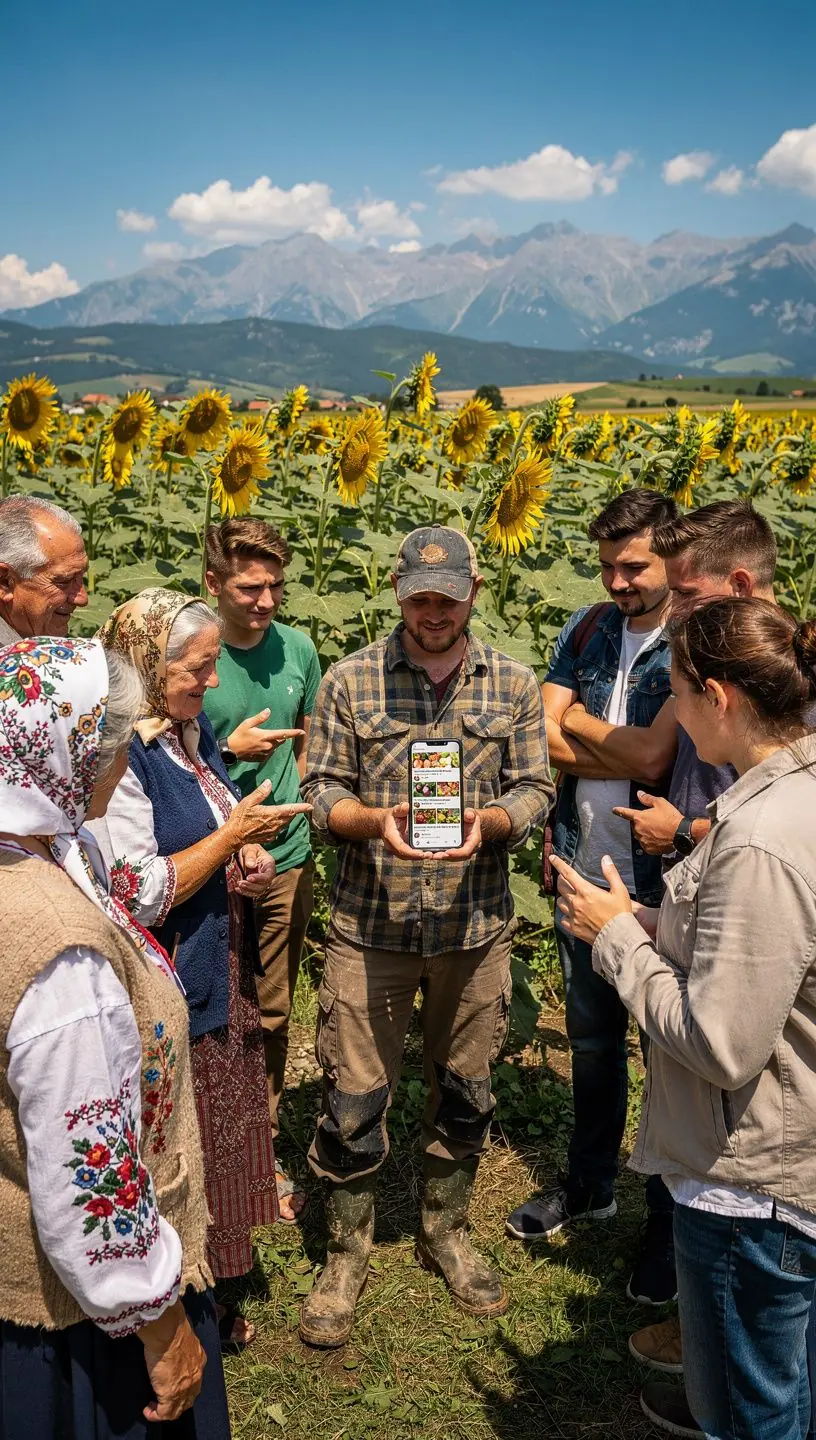
Community Radio's Evolution in the Digital Age
The landscape of community media is undergoing significant changes, particularly in Romania, as digital platforms reshape how local news is consumed. Understanding these shifts is crucial for both media consumers and producers.
The Shift in Media Consumption
Community radio has long been a cornerstone of public interest media, offering a platform for local voices and perspectives. However, in an age dominated by digital media, the media consumption habits of communities are evolving. Recent studies indicate that many users are turning to online platforms for news, leading to a decline in traditional radio listenership.
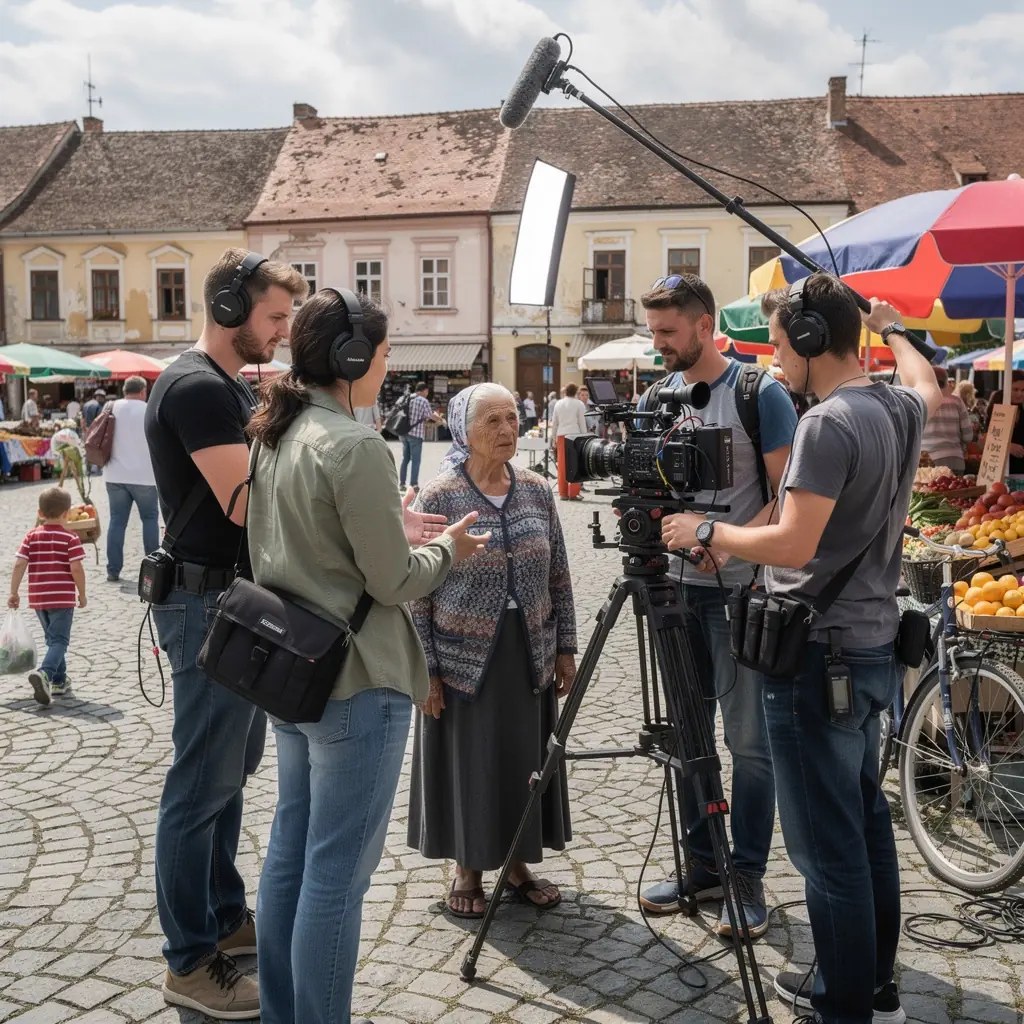
"Research shows that digital media consumption has increased by over 50% in recent years, impacting the traditional media landscape."
Understanding the Role of Digital Media
The impact of digital media extends beyond mere statistics. Social media platforms now serve as primary news sources for many, often prioritizing speed over accuracy. This can present challenges for public interest journalism as it competes against the rapid-fire nature of digital storytelling.
Furthermore, community radio stations are adapting by embracing new media platforms. For example, by creating podcasts and streaming services, these stations maintain their relevance and continue to engage their audience.
Strategies for Community Engagement
To remain relevant, community radio must implement effective audience engagement strategies. Here are several approaches:
- Digital Storytelling: Incorporating multimedia elements can enhance storytelling and reach a broader audience.
- Community Participation: Encouraging local residents to contribute content fosters a sense of ownership and relevance.
- Media Literacy Education: Providing training on critical media consumption can empower listeners to discern credible sources.
Challenges Ahead
While the digital age presents opportunities, it also brings challenges for local journalism. Factors such as media accessibility and funding issues can hinder the ability of community radio to thrive. Additionally, navigating the complexities of media policy implications and maintaining ethical journalism practices is essential for sustaining trust within communities.
Conclusion
As community radio continues to evolve in the digital landscape, understanding media trends is vital for fostering community engagement in media. By leveraging digital platforms, enhancing local content creation, and promoting media literacy, community radio can adapt to the changing needs of its audience while remaining a relevant and trusted source of news. This evolution presents both challenges and opportunities that, if navigated wisely, can lead to a robust future for public interest media.