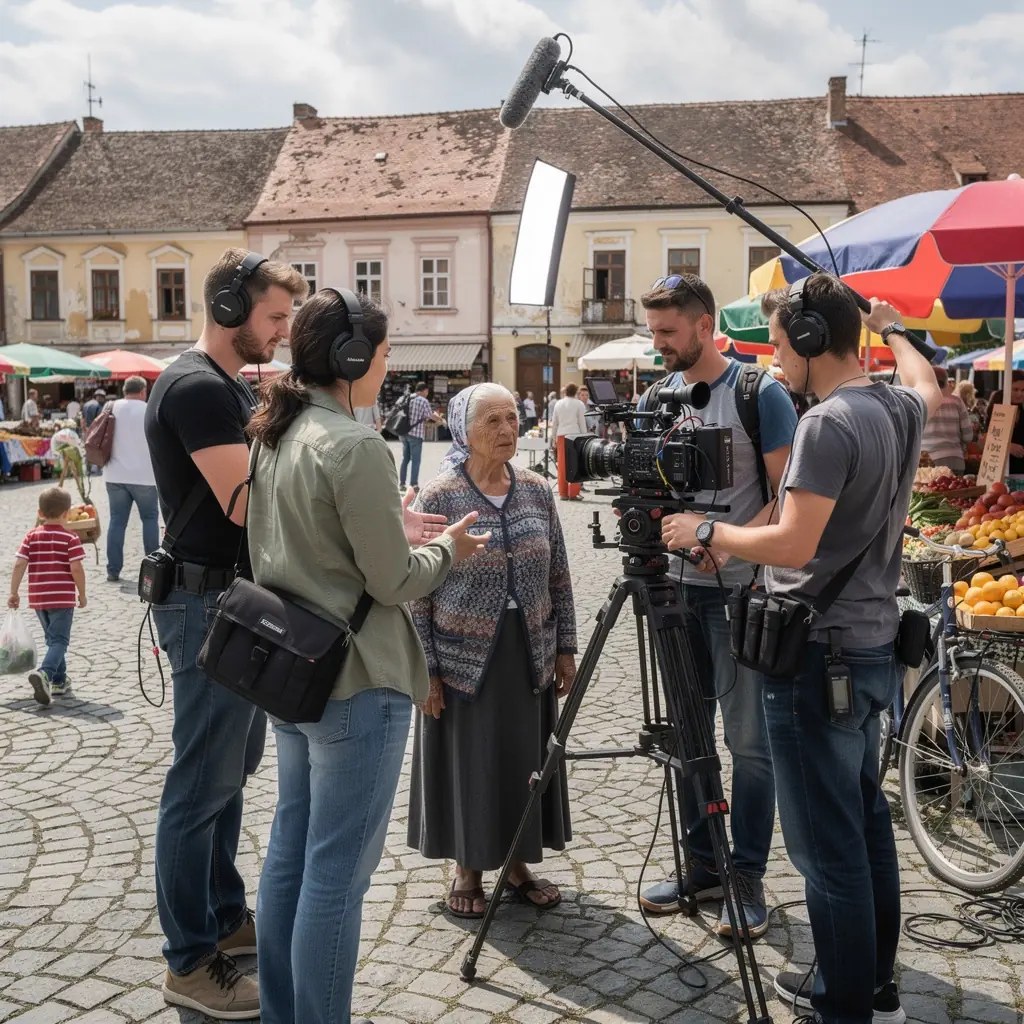
Digital Storytelling: Connecting Communities through Media
In today's digital landscape, the way communities consume media is evolving rapidly. Understanding these changes is essential for fostering community connections through effective storytelling initiatives.
The Shift in Community Media Consumption
Community media consumption has undergone significant transformations in recent years. As digital platforms proliferate, audiences are increasingly turning to online sources for local news and information. According to a study by the Reuters Institute for the Study of Journalism, many users report that they prefer digital formats for their news consumption due to accessibility and immediacy.
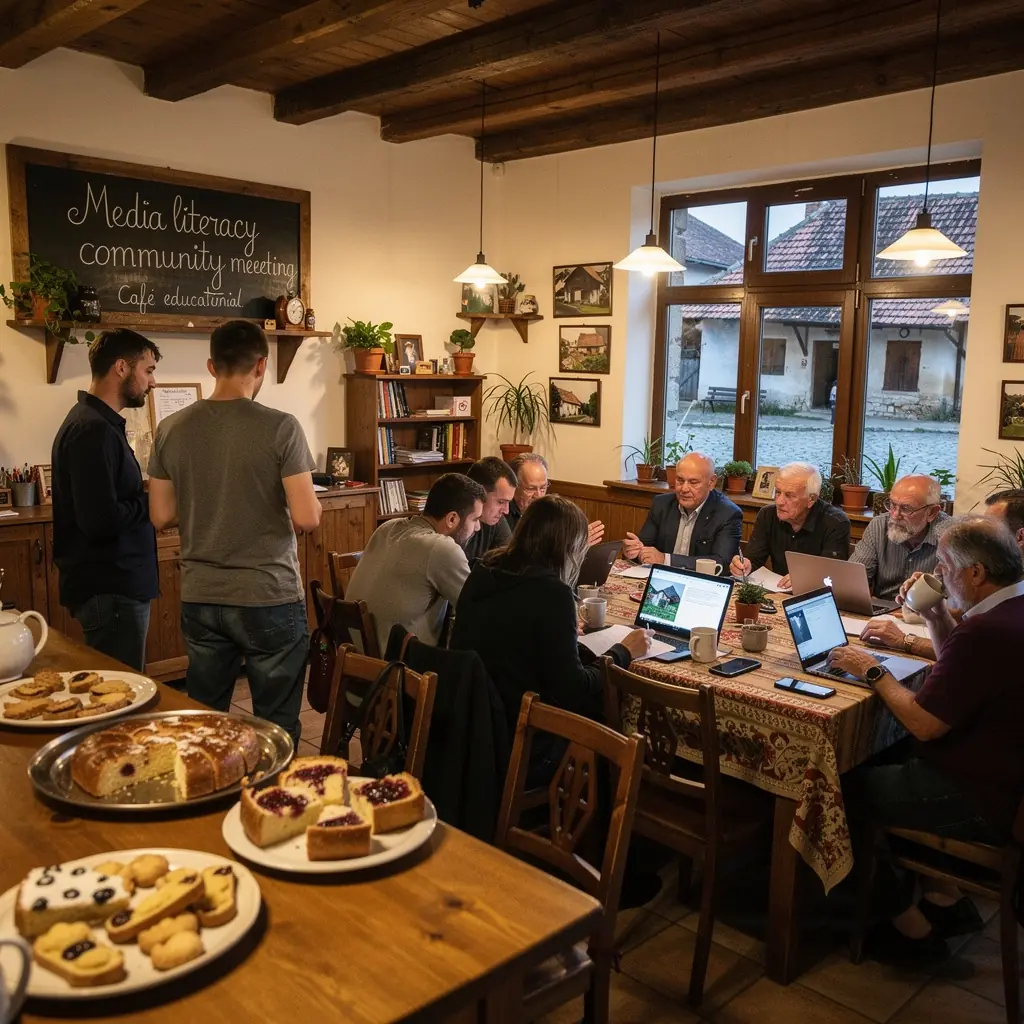
"The rise of digital storytelling empowers community voices, enhancing representation in local media."
Impact of Digital Media on Local News
The impact of digital media on local news cannot be overstated. Community-focused news initiatives are adapting to these changes by utilizing new media platforms to reach their audiences. For instance, community radio stations in Romania have evolved, integrating online streaming and social media to engage listeners more effectively.
Understanding Media Trends
To effectively navigate these changes, it is crucial to understand current media trends. Media literacy is essential for everyone, as it equips individuals with the skills required to interpret and evaluate the diverse media content they encounter. Experts recommend that communities develop educational programs focusing on digital media education to foster critical thinking and informed consumption habits.
Digital Storytelling as a Tool for Community Engagement
Digital storytelling has emerged as a powerful tool for connecting communities. By harnessing local narratives, organizations can highlight community voices and foster a sense of belonging. Here are some effective strategies:
- Incorporate Local Voices: Engaging community members in storytelling can enhance relatability and representation.
- Utilize Social Media: Platforms like Facebook and Instagram can amplify local stories, allowing for broader community engagement.
- Interactive Content: Utilizing video, podcasts, and blogs allows communities to share their experiences dynamically and engagingly.
Challenges and Considerations
While there are numerous benefits to embracing digital storytelling, challenges remain. Local journalism faces pressures from declining advertising revenues and competition from larger media outlets. Moreover, media accessibility can be an issue in less urbanized areas, making it vital for initiatives to address these disparities.
Conclusion
In conclusion, digital storytelling offers a promising avenue for enhancing community media consumption and engagement. By prioritizing public interest journalism and inclusive media practices, communities can navigate the evolving media landscape effectively. As we continue to adapt, fostering dialogue and collaboration will be key to ensuring local media relevance and sustainability in the digital age.